

Blood pressure and blood sugar are often treated as separate health concerns. One is associated with the heart and blood vessels; the other with glucose regulation and diabetes. Each has its own measurements, medications, and follow-up appointments.
But beneath these seemingly different conditions lies an important connection: metabolic health.
Insulin resistance, excess visceral fat, chronic inflammation, and changes in vascular function can contribute to both elevated blood sugar and high blood pressure. These overlapping processes also influence how the liver, kidneys, and cardiovascular system function.
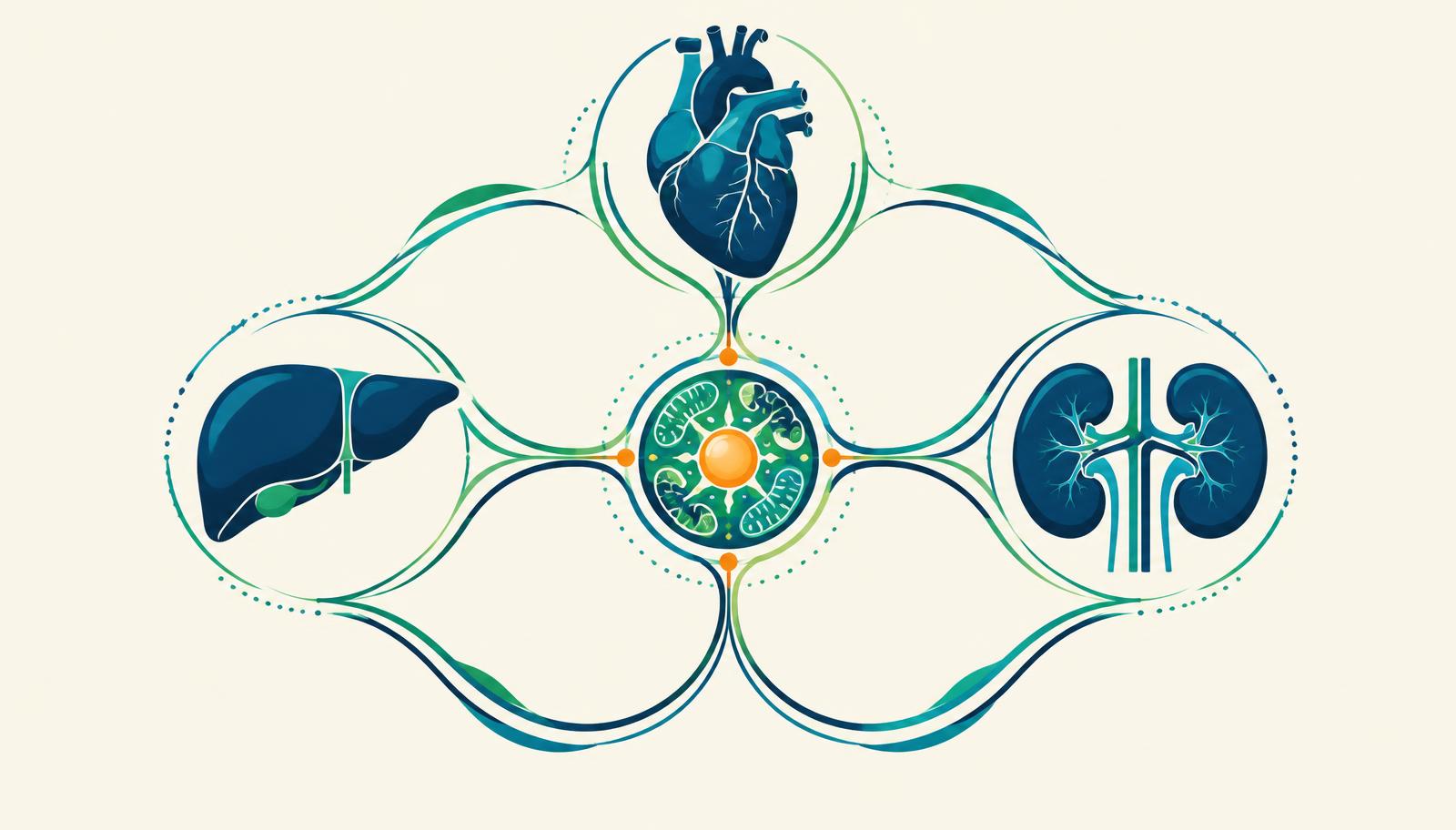
Think of the body as an interconnected network rather than a collection of independent organs. When one part of that network is under strain, other systems may be affected.
This is why managing blood pressure and blood sugar effectively often requires more than focusing on individual readings. Nutrition, physical activity, sleep, weight management, appropriate medications, and underlying medical conditions all deserve attention.
The goal is not simply to improve isolated numbers. It is to understand the health patterns connecting them.
A comprehensive cardiometabolic evaluation can help identify overlapping risk factors and develop a coordinated, individualized care plan.