
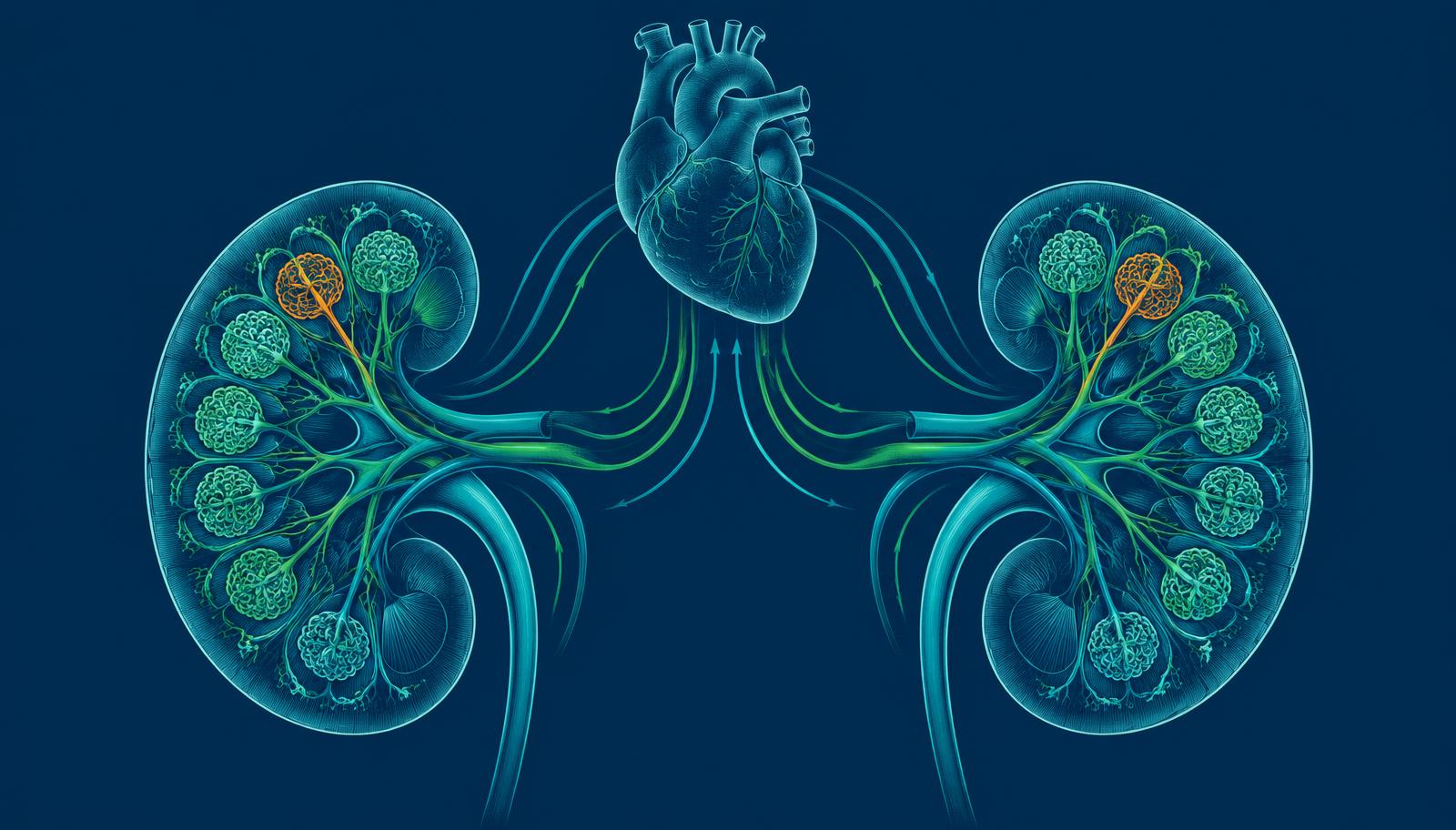
Your kidneys are among the body's most remarkable filtration systems.
Every day, they continuously filter blood, remove waste products, regulate fluid balance, and help maintain essential mineral levels.
But these delicate organs are also highly sensitive to changes in blood pressure and blood sugar.
Persistently elevated blood pressure can damage the small blood vessels responsible for kidney filtration. Similarly, chronically elevated blood glucose can affect the kidneys' filtering structures over time.
The challenge is that early kidney damage often develops without noticeable symptoms.
Someone may feel completely healthy while subtle changes are already occurring.
This is why preventive care matters.
Blood pressure monitoring, blood glucose assessment, estimated glomerular filtration rate (eGFR), and urine albumin testing can help identify kidney-related risks when clinically indicated.
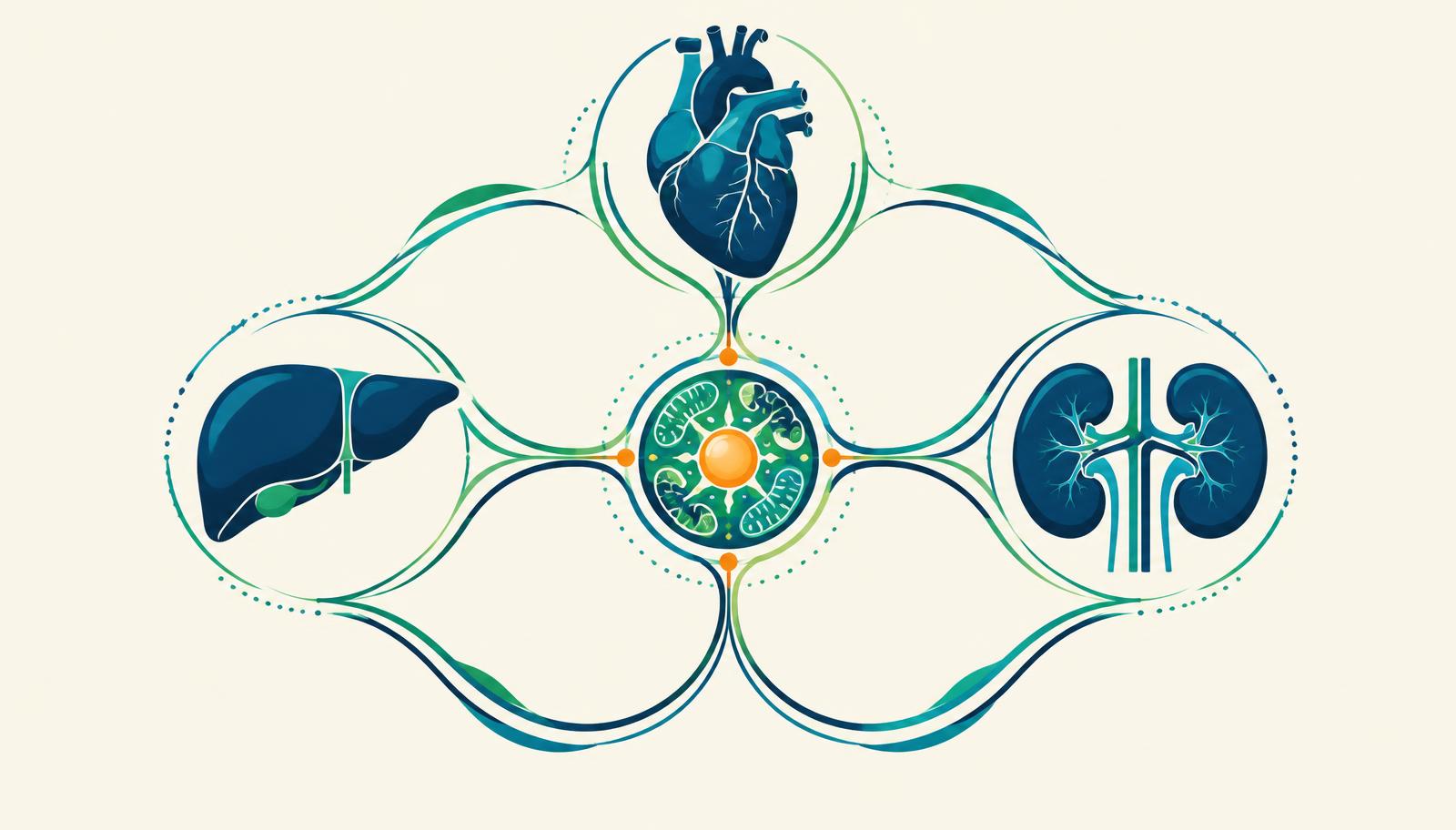
The relationship also works in both directions: kidney disease can make blood pressure more difficult to control and increase cardiovascular risk.
Protecting your kidneys is an essential part of protecting your heart and overall metabolic health.
Early identification, appropriate treatment, and consistent monitoring can help slow disease progression and reduce the risk of complications.