
When people hear the words fatty liver, alcohol is often the first thing that comes to mind.
Yet one of the most common forms of fatty liver disease is closely associated with metabolic dysfunction rather than excessive alcohol consumption.
Today, this condition is known as metabolic dysfunction-associated steatotic liver disease (MASLD).
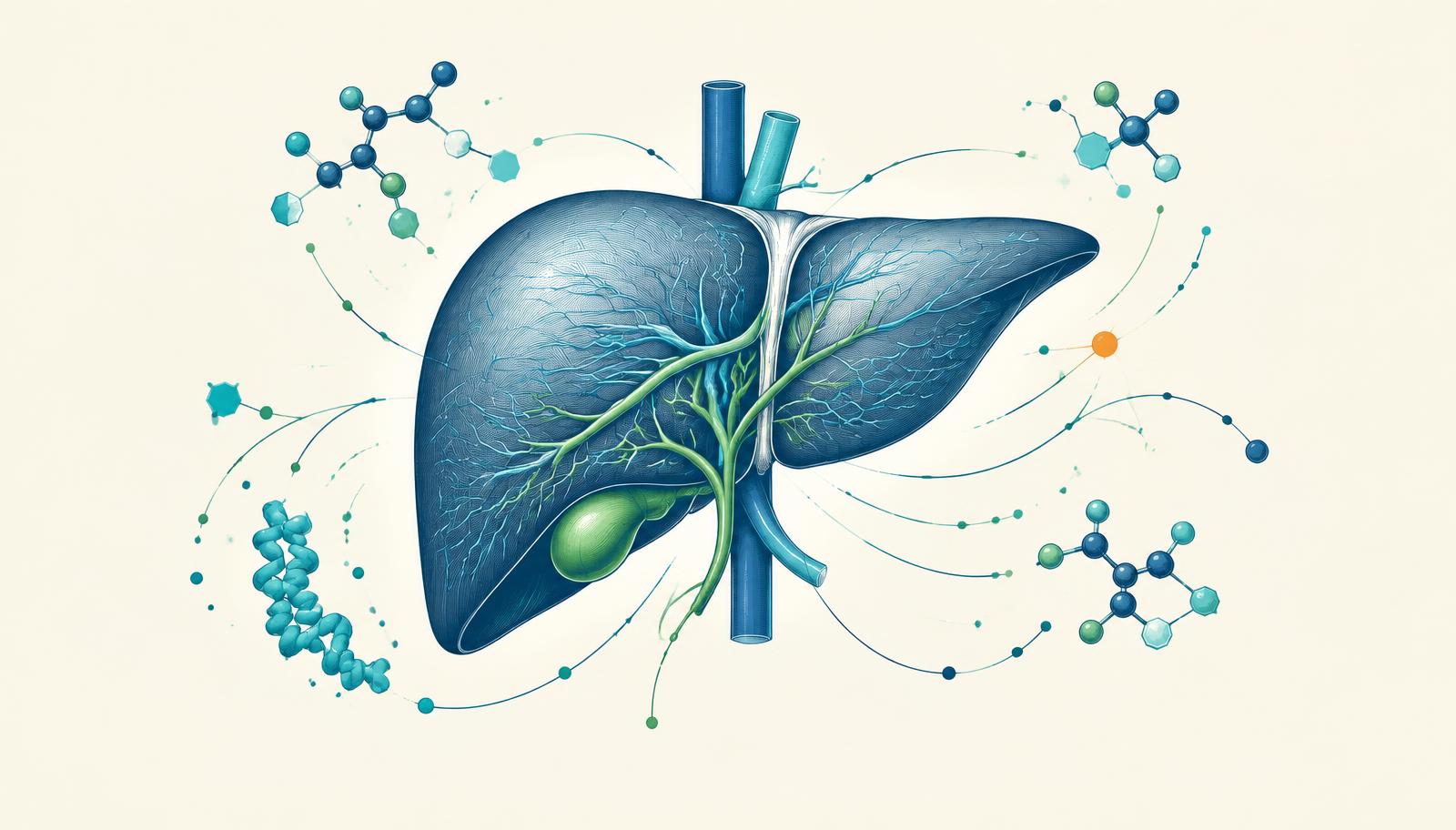
The liver plays a central role in regulating blood sugar, processing nutrients, managing cholesterol, and storing energy.
When metabolic regulation becomes disrupted, excess fat can accumulate inside liver cells. This process is often associated with insulin resistance, excess abdominal fat, type 2 diabetes, and cardiovascular risk factors.
What makes MASLD particularly important is that it may develop without obvious symptoms.
A person can feel relatively well while metabolic changes are taking place beneath the surface.
Over time, some individuals may develop liver inflammation, fibrosis, or more advanced liver disease.
The encouraging news is that metabolic and lifestyle interventions can make a meaningful difference. Weight management when appropriate, regular physical activity, improved dietary patterns, and treatment of associated conditions can reduce liver fat and improve overall health. Some patients also benefit from targeted medical therapies.
Your liver health offers important insight into the health of your entire metabolic system.