
Consider the number of health measurements people are encouraged to track.
Blood pressure. Blood sugar. Cholesterol. Body weight. Liver enzymes. Kidney function.
Each number provides useful information. But none tells the complete story on its own.
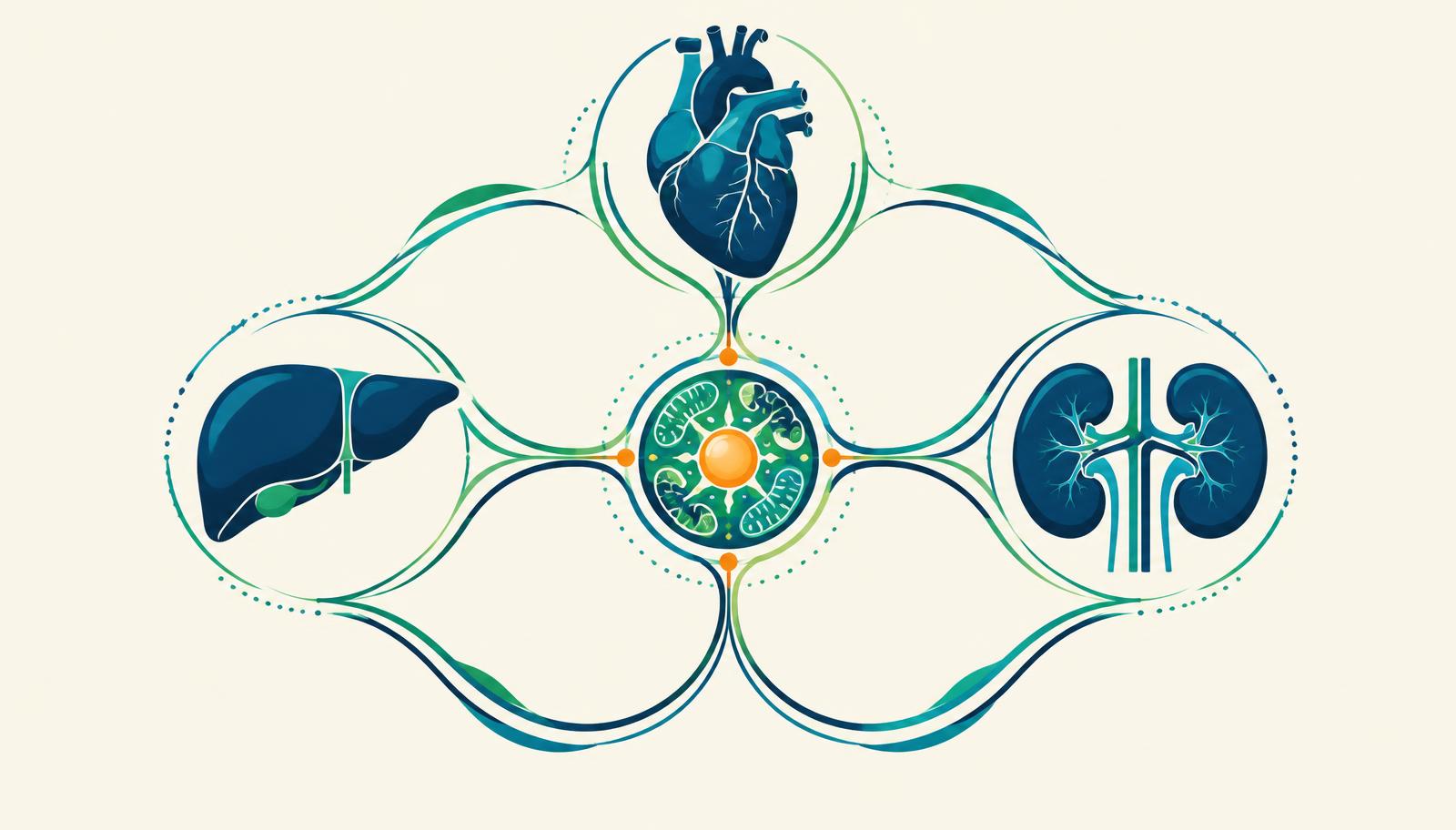
Our bodies do not operate as isolated systems.
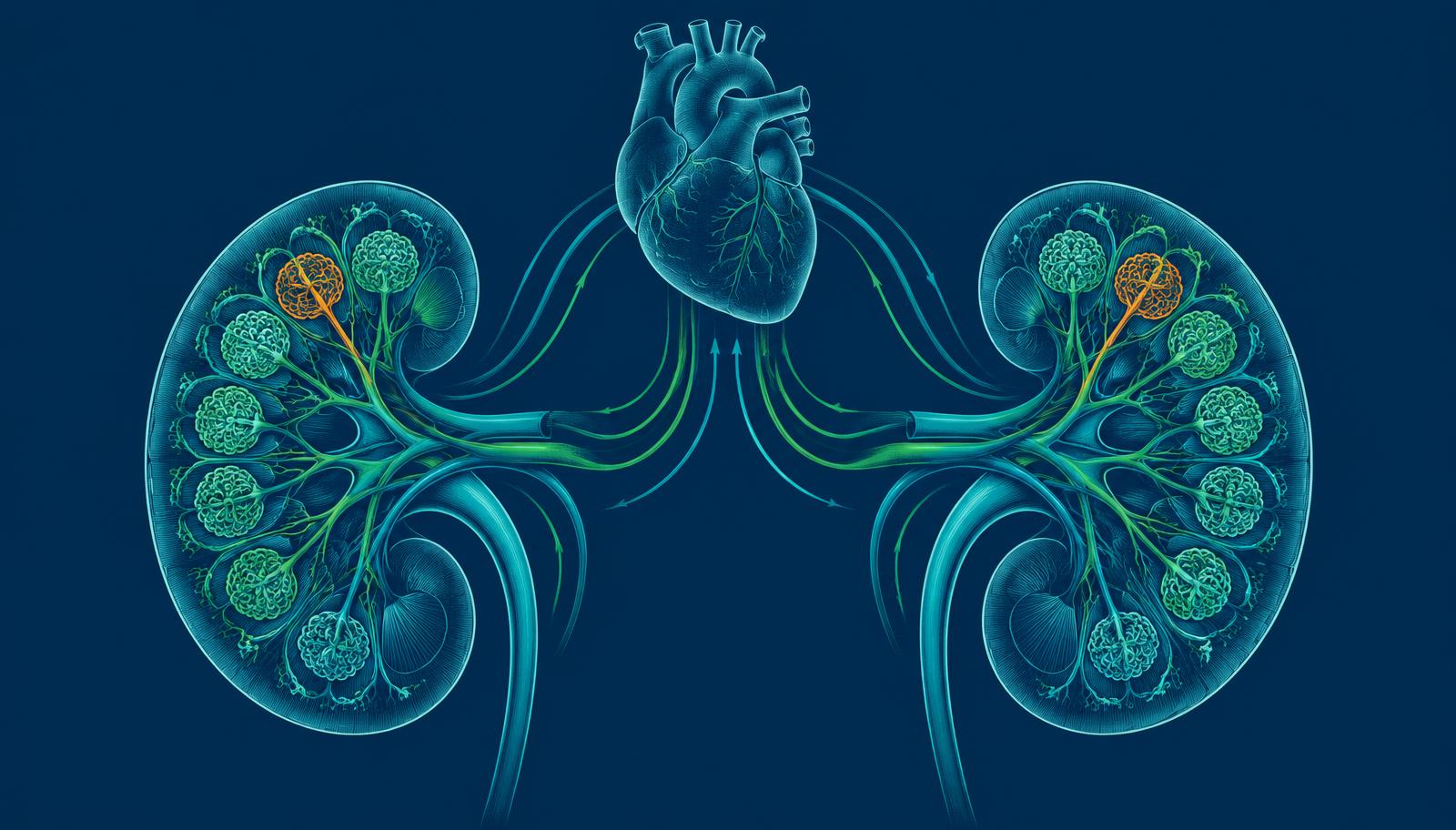
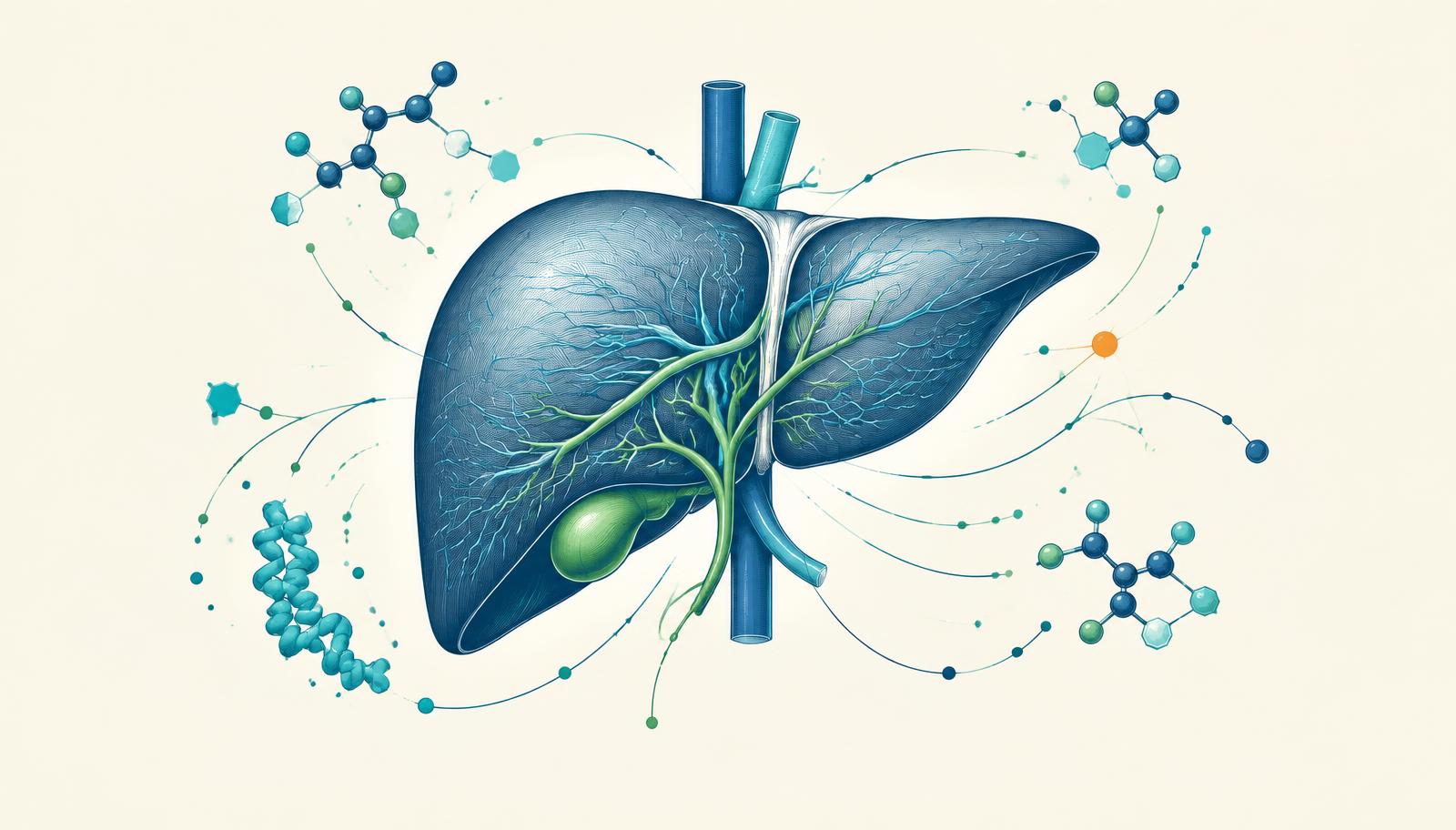
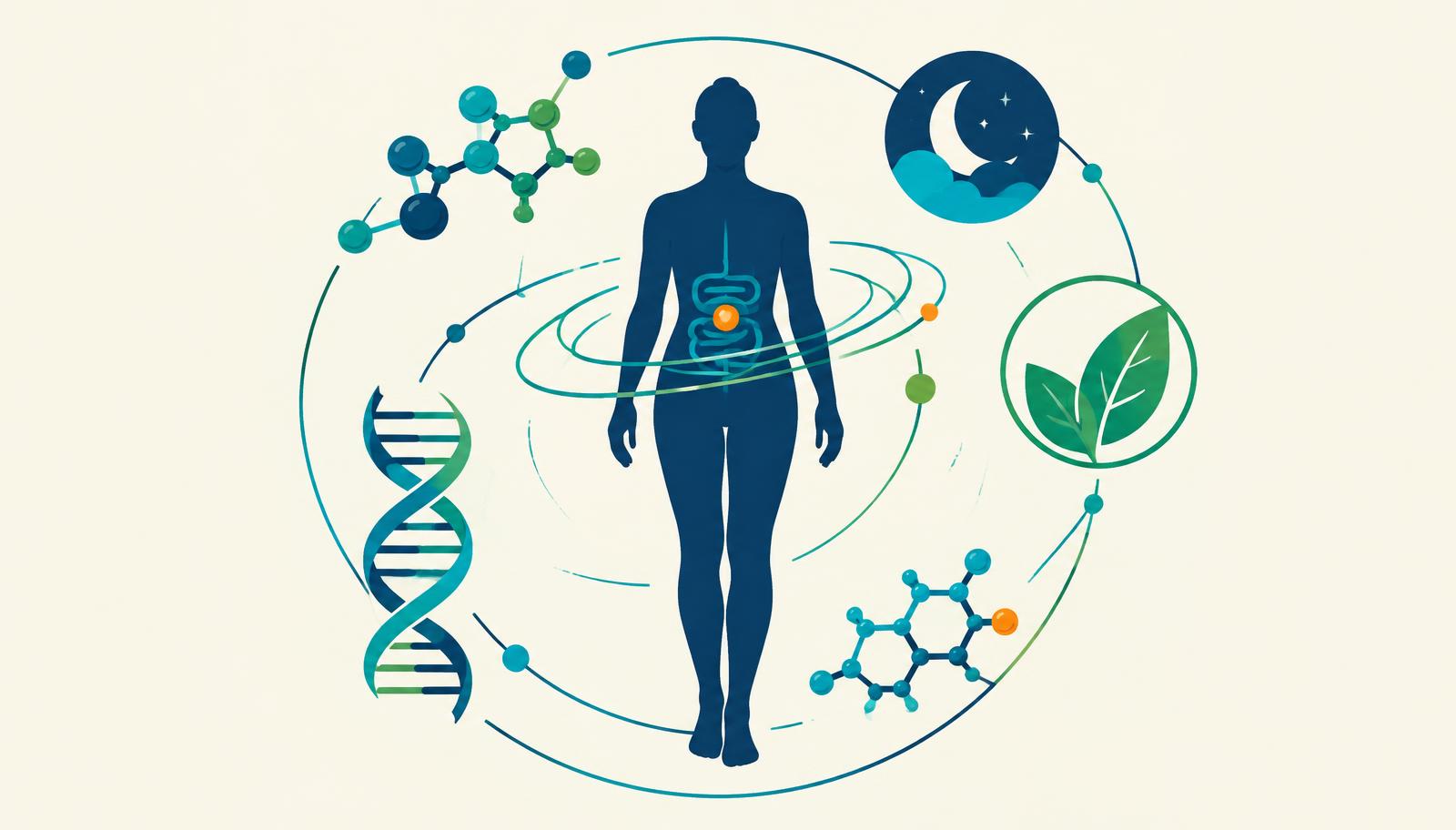
The heart depends on healthy blood vessels. The kidneys help regulate blood pressure. The liver plays a central role in energy metabolism. Hormones influence appetite, glucose regulation, and the way the body stores and uses energy.
These systems interact continuously.
When metabolic dysfunction develops, its effects may extend across several organs and increase the risk of multiple chronic conditions.
This interconnected relationship is central to modern cardiometabolic medicine.
Rather than viewing hypertension, type 2 diabetes, excess weight, abnormal cholesterol, and fatty liver disease as entirely separate concerns, an integrated approach considers their shared risk factors and the individual's overall health.
That does not mean every condition has the same cause or that one intervention will resolve everything.
It means effective care should recognize how the body's systems influence one another while treating each condition according to its specific needs.
A comprehensive strategy may combine preventive screening, personalized nutrition, physical activity, weight management, appropriate medication, and ongoing monitoring.
The objective is simple: identify risks earlier, coordinate care more effectively, and support lasting health.